Senin, 20 Mei 2013

Download Ebook Computer Ethics (4th Edition)By Deborah G. Johnson

Download Ebook Computer Ethics (4th Edition)By Deborah G. Johnson

If you have discovered the very best factors of reading this book, why you should look the other factor not to read? Reading is not a problem. Reviewing exactly will be a way to get the advice in doing whatever. The faiths, politics, sciences, social, even fiction, and other themes will certainly aid you to get better assistance in life. Certainly, it will certainly be appropriate based on your actual experience, but getting the experience from other resources are also considerable.

Computer Ethics (4th Edition)By Deborah G. Johnson

Computer Ethics (4th Edition)By Deborah G. Johnson


Computer Ethics (4th Edition)By Deborah G. Johnson


Download Ebook Computer Ethics (4th Edition)By Deborah G. Johnson

Million advantages of publication can be taken all if you don't just possess it as yours. It will certainly happen when you read the book, page by web page, to finish. Besides, review it quite possibly can assist you to reduce getting the lesson. The lesson as well as advantages of guides as we states may be numerous. You are most likely not aware that what you really feel and also do currently end up being some parts of reading advantages of such book formerly.

In wondering things that you must do, checking out can be a new selection of you in making brand-new points. It's always claimed that reading will constantly aid you to overcome something to better. Yeah, Computer Ethics (4th Edition)By Deborah G. Johnson is one that we constantly supply. Also we share repeatedly about guides, just what's your perception? If you are one of individuals like reading as a manner, you could locate Computer Ethics (4th Edition)By Deborah G. Johnson as your reading material.

You may not really feel that this book will be as crucial as you assume right now, however are you certain? Learn more regarding Computer Ethics (4th Edition)By Deborah G. Johnson and also you could truly discover the benefits of reading this book. The supplied soft file publication of this title will certainly provide the impressive scenario. Even reading is only leisure activity; you can start to be success b this book. Assume a lot more in evaluating the books. You could not judge that it's important or not now. Read this publication in soft data and also obtain the means of you to wait.

Also analysis is an easy thing and also it's extremely easy without investing much loan, many individuals still feel careless to get it. It comes to be the issue that you constantly face everyday. Hence, you should start finding out how to spend the time extremely well. When it has the excellent publication, you could love to review it. As example is this Computer Ethics (4th Edition)By Deborah G. Johnson, it can be your starter book to find out reading.

Computer Ethics (4th Edition)By Deborah G. Johnson

Written in clear, accessible prose, the Fourth edition of Computer Ethics brings together philosophy, law, and technology. The text provides an in-depth exploration and analysis of a broad range of topics regarding the ethical implications of widespread use of computer technology. The approach is normative while also exposing the student to alternative ethical stances.

  • Sales Rank: #212827 in Books
  • Brand: Johnson, Deborah G./ Miller, Keith W. (CON)
  • Published on: 2009-01-03
  • Original language: English
  • Number of items: 1
  • Dimensions: 8.90" h x .60" w x 6.00" l, .62 pounds
  • Binding: Paperback
  • 216 pages

From the Publisher
Written in clear, accessible prose, this text brings together philosophy, law, and technology to provide a rigorous, in-depth exploration and analysis of a broad range of topics regarding the ethical implications of widespread use of computer technology.

From the Inside Flap
PREFACE

With the publication of the third edition of Computer Ethics, I am reminded of the day in 1984 when I received the page-proofs of the first edition. I had just returned home from the hospital after having given birth to my daughter. I had composed the book on an Osborne computer using a word processor—I think it was called WordStar—that has been obsolete for more than 10 years now. Today my daughter, now a teenager, is more comfortable with computers than I am. She spends a good deal of her day sitting in front of a computer screen chatting with friends, doing schoolwork, and exploring the Web. I composed this edition of the book on a laptop computer using a version of MS Word that automatically corrected my misspellings and grammar. And, of course, in writing this edition of the book, I frequently went to the Web to look for resources and check references. While I continue to be cautious in making grand pronouncements about the significance of these technological changes for the quality and character of human lives, the changes that have taken place in these 16 years are awe-inspiring.

As I began writing this edition, it was strikingly clear that my primary task was to address the technological changes that have occurred since the second edition, especially the growth and penetration of the Internet into so many domains of life. What are we to make of Web sites, cookies, data mining tools, customized online services, and e-commerce? I have addressed many of these new issues while at the same time holding on to what I continue to believe are the core issues in computer ethics: professional ethics, privacy, property, accountability, and social implications and values. Indeed, you will see that in Chapter 1, 1 continue to struggle with the question at the heart of the field, what is computer ethics? Are the ethical issues surrounding computers unique? What is the connection between ethics and technology?

Contemplating the connection between technology and ethics raises an interesting and important question: Does the field of computer ethics simply follow the development of computer technology? Should computer ethicists simply react to technological developments? Wouldn't it be better if the sequence were reversed so that technological development followed ethics? Historically, the field of computer ethics has been reactive to the technology. As I explain in Chapter 1, new technological developments create new possibilities and the new possibilities need to be evaluated. As in the last edition, I build on the idea in Jim Moor's seminal piece "What Is Computer Ethics?" (1985) that new technologies create policy vacuums. The task of computer ethics, he argues, is to fill these policy vacuums. In a sense, the ethical issues are the policy vacuums, and policy vacuums are created when there is a new development or use of computer technology.

On the other hand, I want to suggest that it would be better if at least some of the movement were in the other direction—technology following ethics. Suppose, that is, we lived in a world where ethicists (or anyone, for that matter) identified potentially unethical situations or arrangements or ethically better possibilities, and engineers and computer scientists went to work designing technologies to change or remedy or improve the situation. I can think of a few examples when this has occurred, but only a few. Arguably, privacy-enhancing technologies and anonymous re-mailers are cases in point. Perhaps freeware and shareware are also examples. For the most part, however, the ethical issues have followed, rather than led, the technology. Here in very broad brushstrokes is my understanding of the evolution of the field of computer ethics, especially in the United States. HISTORICAL OVERVIEW

In the decades immediately following World War II, ethical concerns were raised about computers, though these concerns were only vaguely expressed and articulated. One of the most salient concerns was that computers threatened our notion of what it means to be human because computers could do the very thing that was considered unique to humans, rational thinking. There was much discussion of artificial intelligence. There was some fear (and fascination with the idea) that computers might take over decision making from humans. I am thinking here of the movie 2001 but the theme also ran through science fiction literature, for example, in Issac Asimov's short stories. Somewhat later, Jim Moor picked up on this theme and wrote an analytical article, "Are There Decisions That Computers Should Never Make?" (1979).

It could be argued that those very early concerns about computers were not exactly ethical in character. For example, no one explicitly argued that it was immoral to go forward with the development of computers because of the threat to our concept of human beings. And the science fiction literature did not suggest that it was immoral to turn over decision-making power to computers. Rather, the implicit argument seemed to be that there would be terrible consequences—possible catastrophes and degradation of human life—were decision making to be turned over to computers.

These concerns did not come from an effect arising from the use of computers; they arose from the mere idea of computers. The very idea of a technology that could think or do something very close to it was threatening to our understanding of what it means to be human.

Ironically, it could be argued that this idea, the idea that computers do what humans do, has turned out to be rich in its influence on human thinking about thinking, rather than a threat. The model of human thought that computers provide has spawned the thriving new field of cognitive science and changed a number of related disciplines. (See for example, Bynum and Moor, 1999.)

In the late 1970s, the ethical issues began to be more clearly articulated in the works of Joseph Weizenbaum (19'79) and Abbe Mowshowitz (1976), and it was in this period that the Privacy Protection Commission did a major study of privacy. The issues that took shape in this period had to do with the threat of big government and large-scale organizations, the related threat to privacy, and concern about the dominance of instrumental rationality. In hindsight, the concern about big government and privacy followed the technology in that in those early days, computers were being used extensively to create and maintain huge databases, databases of a variety of kinds, but especially databases of personal information. Computers were also being used for large numerical calculations. The large-scale calculations were primarily (though not exclusively) for government activities such as weapons development, space travel, and the U.S. census.

The next major technological shift was the development of small computers (microcomputers and personal computers). Attention turned, for a time at least, to the democratizing aspects of computers. Quietly, at the same time, remote access had come on the scene, first as remote access to large mainframes, later as a web of telecommunications connections between small computers.

Attention turned to software and the ethical issues surrounding it. The development and spread of microcomputers brought computer technology visibly and powerfully into the consumer marketplace. Software was recognized as something with enormous market value, and hence, all the ethical issues having to do with property arose. Should software be owned? If so, how? Would current intellectual property law provide adequate protection? Along with property rights issues came issues of liability and responsibility. In the marketplace, if consumers buy and use computers and software, they want to be able to rely on these tools and when something goes wrong, they want to know who to blame or they want to be compensated for their losses.

During this period, the market in computer games took off and it was also during this period that more attention began to focus on hackers. On the one hand, hackers were responding to the commercialization of computing. They did not like the idea of property rights in software. At the same time, those who were acquiring property rights and/or making a business of computing saw the threat posed by hackers, a threat to property rights and to system security.

In the 1990s, attention turned to the Internet. The coming together of computers, telecommunications, and media was the next major development in the technology. The development and expanded use of the Internet brought a seemingly endless set of ethical issues as the Internet came to be used in so many different ways in so many different domains of life. In effect, we are now in a process of transferring and re-creating much of the world into this new medium. At the same time, the Internet also raised all the concerns of the past. Privacy issues are exacerbated on the Internet; the democracy issue came back into play with new claims about the Internet's democratic character; property rights expanded to Web sites and global property rights became ever more important; and so on.

One other technological development that grew slowly during the 1980s and 1990s was the use of computer technology for a wide variety of visualization activities—not just computer graphics and gaming, but simulation activities including medical imagining and scientific models. This development expanded into the idea of virtual reality, an idea that has captivated many. Very quietly and slowly, ethical concerns have been raised about this thrust of computer technology. Unfortunately, I have been able to give only cursory attention to virtual reality issues.

In summary, during the 1960s and 1970s the dominant uses of the technology were for database creation and large-scale calculations. These uses of the technology brought correlated expressions of concern about centralization of power and big government, and threats to personal privacy. During this time, the very idea of computers seemed to threaten the idea of what it means to be human. During the 1980s, microcomputers were developed and made readily available. Remote access to large mainframe computers also became possible. Quietly, the system of telecommunication lines linking computers, that later became the Internet, was expanding and being made available beyond the "inner circle" of developers. Also, the computer/video game industry began to take off. With these developments came correlative concerns about property rights, liability issues, and the threat posed by hackers. In the 1990s, the coming together of telecommunications and computers reached a pinnacle of development and the Internet and the World Wide Web (Web) became widely available. These technological developments are still being assimilated, but they gave rise to a seemingly endless array of ethical issues as well as exacerbating those that were already there.

This is a story of computer ethical issues following technological developments. The question remains whether this pattern is as it should be. As I suggested before, reversing the order would seem to have some advantages, though scholars in the field of computer ethics do not seem to recognize the possibility of leading rather than following the technology. A central focus on the topic of design of computer technology would go a long way toward reversing this pattern. If the designers of technology were to think about the ethical and social implications of their designs before they became a reality, wouldn't the world be a better place! CHANGES IN THE THIRD EDITION

Readers who are familiar with earlier editions of Computer Ethics will note that in this edition I have added two chapters specifically focused on the Internet, Chapter 4 "Ethics Online" and Chapter 8 "Social Implications and Social Values." The addition of this new material led to other changes in the organization of the book. First, instead of having a separate chapter on crime, abuse, and hacker ethics, I have situated the discussion of hackers and hacker ethics in the first chapter on the Internet, Chapter 4. This placement recognizes that hacking is a phenomenon made possible by the combination of computers and telecommunications lines that we now call the Internet. In 1994 when the second edition was published, the Internet had already been created, but it was far from clear that it would become what it has. Second, instead of having one chapter on the social implications of computer and information technology and another on the social implications of the Internet, I have combined material on the social implications of computer technology from the second edition with new material on the Internet. While I discuss both, the primary focus of Chapter 8 is on the social implications of the Internet and especially its social implications for democracy. I found this approach useful for focusing discussion of the relationships between technology and social change and between values and technology.

As with previous editions, there are many possible paths a reader might take through the book. The topics from chapter to chapter are interconnected, but each chapter has been written to stand essentially alone. When used as a textbook, the path students take through the book should be determined by the type of students being taught, the length of the course, and other books and materials being used in the course. For example, when teaching a class of computer science majors, it is important that the chapter on professional ethics be read early on. This sets students up to think of the issues as part of their professional responsibility. When teaching nonmajors, this chapter can comfortably be read at the end of a course, and can be presented as a way of thinking about how some of the issues discussed in the book might be addressed—control who becomes a computer professional and give computer professionals more responsibility for the effects of their work.

As in the previous editions, I have started each chapter with a set of short scenarios. The scenarios are intended to entice the reader into the topic, to implicitly make the case for the importance of the topic, and to make the topic concrete for those who are impatient with theory. The cases also provide the content for teaching skills in ethical analysis. As before, I have provided study questions and suggested further reading at the end of each chapter. OVERVIEW

Chapter 1: Introduction: Why Computer Ethics?
In Chapter 1, I make the case for the importance of computer ethics and I explore why computer and information technology raises ethical questions when many other technologies do not. Building on Moor's idea that the task of computer ethics is to fill policy vacuums, I descibe generally how computer and information technology gives rise to ethical issues. I push further addressing how these issues can be resolved and explore the traditionalist account which specifies that we can extend ordinary moral principles to situations created by computer technology. This discussion prepares the way for asking in what ways computer ethical issues are unique and in what ways not. As in the last edition, I argue that it is useful to think of the ethical issues surrounding computer and information technology as new species of generic moral issues. I support this idea by arguing that while ethics is always about human action, technology instruments human action and technology makes it possible for individuals and institutions to behave in ways they couldn't behave without technology. Traditional ethics and ethical theories have largely ignored the instrumentation of human action. Computer ethics brings this unexplored area of ethics into focus. I conclude this chapter with a brief discussion of the virtues and dangers of using analogies in analyzing computer ethical issues.

Chapter 2: Philosophical Ethics
This chapter is largely as it was in the second edition though I have added brief desciptions of virtue ethics and John Rawls' theory of justice. As before, the aim of this chapter is to show that ethics is not just a subjective and relativistic enterprise. The aim is to show that ethics and ethical analysis involves giving reasons and making arguments for one's claims and subjecting those reasons and arguments to critical evaluation. By reviewing traditional ethical theories, the chapter provides readers with a useful vocabulary and conceptual tools for thinking through ethical issues. The chapter is not intended to provide the theoretical framework from which answers to all ethical questions can be deduced. Rather, the aim of this chapter is to suggest that ethical analysis is a dialectic process.

Chapter 3: Professional Ethics
The organization of this chapter and the ideas explored are fundamentally the same as in the last edition of Computer Ethics though I have tried to clarify the ideas further, and I have updated the chapter by addressing the issue of licensing of software engineers. I have also recognized recent changes to the ACM code of ethics. The chapter begins with a discussion of how becoming a member of a profession can lead to somewhat special moral rights and responsibilities. That analysis sets the scene for defining profession and professional, and for asking whether computing is a profession. This is followed by a brief discussion of software engineering licensing. The focus of the chapter then turns to the responsibilities of computer professionals, to employers, to clients, to the public, and to co-professionals, and how they come into conflict. The chapter ends with a brief discussion of professional codes of ethics.

Chapter 4: Ethics and the Internet: Ethics Online
I begin this chapter by identifying what is morally significant and distinct about the Internet. Focusing on the Internet as a medium of communication, what seems morally significant is the many-to-many global scope of the Internet, the availability of a certain kind of anonymity, and the reproducibility of the medium. After drawing out the implications of these features, emphasizing the difficulties of accountability and trust, I move on to discuss hacking and hacker ethics. Here I have included some of the material from the previous edition. I conclude the chapter with a discussion of the problems the Internet seems to pose for controlling socially undesirable behavior and for encouraging civil behavior.

Chapter 5: Privacy
Chapter 5 is a combination of old and new material. As in the previous edition, I begin by asking how computer and information technology has changed the collection and distribution of personal information. I descibe the traditional way in which the privacy issue has been framed—as necessarily involving a trade-off between individual interests in controlling information and the efficiency and improved decision making of those who can make use of the information. I argue for reframing the issue in a way that recognizes personal privacy not just as an individual good but as a social good, and I try to make clear the importance of privacy for democracy. I conclude the chapter by discussing a variety of possible approaches to improving the protection of personal privacy.

Chapter 6: Property
In the years since I wrote the first edition of Computer Ethics, the property rights issues have gotten more and more complicated. While there is dissatisfaction with current law, in fact, the law has not changed fundamentally. I have come to the conclusion that the most useful approach for an introductory text of this kind is to stay with the fundamentals. Thus, this chapter is very similar to the property rights chapter in the second edition. I begin by descibing the problem that ownership of software poses. I descibe copyright, trade secrecy, and patent law and the inadequacies each has for protecting computer software. Digging deeper into the problem, I explore the philosophical basis for property rights looking first at the natural rights arguments and then at the utilitarian arguments for and against ownership. I conclude with an argument similar to the one I made in the second edition: Making an illegal copy of proprietary software is immoral because it is illegal. While it is immoral because it is illegal, there are other kinds of immorality that would be immoral even if they were legal. I conclude with a brief discussion of how the Internet is likely to exacerbate property rights issues.

Chapter 7: Accountability
Chapter 7 begins with scenarios that pose a wide range of accountability issues: responsibility for rape in a virtual reality game, accountability when software recommends a decision, liability of Internet Service Providers, and responsibility for the Y2K problem. A discussion of the different meaning and uses of terms such as responsibility, accountability, liability, and blame lays the groundwork for the chapter. The focus then turns to the legal environment for the buying and selling of computer and information technology where the distinction between selling a product and providing a service is pivotal. The remainder of the chapter is devoted to issues that are unique to computer and information technology, especially the diffusion of accountability, the Y2K problem, and Internet issues.

Chapter 8: Ethics and the Internet II: Social Implications and Social Values
Chapter 8 is the second chapter devoted to the Internet. Drawing on material from the second edition, I begin this chapter with a general discussion of technology and social change and identify the pitfalls in asking questions such as, Is computer and information technology causing a social revolution? Is it changing things or reinforcing the status quo? Is technology good or bad? Attention is then focused on values embedded in computer and information technology. I emphasize how value-laden technology is. The chapter turns, then, to the Internet and democracy. I examine the arguments that are made to show that the Internet is a democratic technology and I critique these arguments.

Computer and information technology and especially the Internet have been implicated in the widening gap between haves and have-nots within countries and among countries of the world. After examining this issue which has come to be known as "the digital divide," I briefly discuss the gender gap in computing, and then I turn briefly to the value of freedom of expression. I conclude this chapter by pointing to three issues that will be particularly important to watch in the future: jurisdiction, systems of trust, and insularity.

Practical Ethics
Finally it may be helpful to explain what I have and have not tried to do with regard to ethical theory. I have not aimed to provide "the" ethical theory from which all ethical beliefs should be derived. Nor have I tried to provide the only possible or adequate ethical analysis of any particular issue. There are both pedagogical and theoretical reasons for taking this stance.

Pedagogically, I believe it is essential for students and other readers to struggle with the cases, the issues, and the relevant moral concepts and theories. This is crucial to developing skill at ethical analysis and critical thinking, and to developing moral personhood. Hence, it would be somewhat counterproductive to present (what I claim to be) "the" final answers to all the ethical questions raised in this book. Instead I have left a good deal of room for further struggle with the issues. I have tried to present ethics as an ongoing, dialectic enterprise. My analyses are intended to move the discussion forward but not to end it.

Moreover, this book is an undertaking in practical ethics, and practical ethics is the middle ground where abstract ethical theories and concepts meet real-world problems and decisions. It takes an enormous amount of work to understand what theories mean for real-world situations, issues, and decisions, and in some sense, we don't understand theories until we understand what they imply about real-world situations. Practical ethics is best understood as the domain in which there is negotiation between theory and real-world situations. We draw on moral concepts and theories but we must interpret them and draw out their implications for the issues at hand. In practical ethics, we work both ways, from theory to context and from context to theory. Often a theory or several theories provide illumination on a practical matter; other times, struggle with the practical problem leads to new insight into a theory. TERMINOLOGY

As in earlier editions, I use ethics and morality interchangeably. Many philosophers draw a distinction between the two, but I find such distinctions too far from conventional usage to be of help.

Since the publication of the previous edition, linguistic conventions around computer technology have changed. Computers have come to be understood as more than simply computational—computing—machines. Moreover, there area wide variety of computer-related tools for which it may or may not be appropriate to use the term computer. It was difficult to decide what terminology to adopt to refer to the technology on which this book focuses—information technology (IT), communication technology, information and communication technology (ICT), and so on. Indeed, it was tempting to change the name of the book to something like Information Ethics or IT Ethics, but, in the end, I have concluded that it is best to keep the name of the book the same, if for no other reason than that it is a known product. Wherever possible I use the (cumbersome) phrase computer and information technology rather than just computer technology. This more closely reflects current linguistic practice and understanding of the technology. In fact, the focus of the book may more accurately be descibed as a focus on a family of technologies that deal with a very wide variety of types of information (signals, data, images, words, etc.). ACKNOWLEDGMENTS

A number of people helped me with this edition by reading chapters and providing comments and suggestions. I particularly want to thank Keith Miller, Fran Grodzinsky, Roberta Berry, Don Gotterbarn, Andy Ward, and Amy Bruckman for their feedback on various chapters. Marc Pang Quek was a wonderful graduate research assistant and wrote several scenarios based on real cases.

I owe much to many others who have helped me in a wide variety of ways. Scholarship is a collective enterprise. I have learned from reading the ideas of others, from listening and talking to students and colleagues. I am always encouraged by those who are willing to tell me what they like and don't like about my writing.

I will always be grateful to my colleagues in the Department of Science and Technology Studies at Rensselaer Polytechnic Institute. My years there shaped my thinking and my career in profound and permanent ways. In 1998, I moved to the School of Public Policy at Georgia Institute of Technology and I have been delighted to find another robust and lively interdisciplinary environment. My new colleagues and students in public policy and in other units of the Ivan Allen College at Georgia Tech have already enriched my thinking.

In writing this edition, I drew on several of my previously published articles. "Ethics Online" published in Communications of the ACM, a chapter entitled "Democratic Values" in Duncan Langford's book Ethics and the Internet, and "Is the GII a Democratic Technology?" presented at several conferences and then published in Computers and Society. I developed Chapter 1 from an unpublished paper that I wrote for the Tangled Web conference.

As I was completing a draft of this edition, Keith Miller, Laurie King, Tracy Camp, and I received a grant from the National Science Foundation's Program on Course, Curriculum and Laboratory Improvement, to develop materials and hold workshops focused on using the Web to teach computer ethics. The first workshop took place in June of 2000. During the workshop I received extremely valuable feedback on a draft of the book. Materials developed as part of the grant are available at: uis/~miller/dolce/ and may be useful to teachers who use this book in their courses.

DEBORAH G. JOHNSON

From the Back Cover

Computer Ethics: Analyzing Information Technology,


The 4th edition brings the field of computer ethics into the 21st Century.  Drawing on concepts and theories from STS, this edition introduces a new approach: sociotechnical computer ethics.  The book maintains a focus on enduring issues of privacy, property, democracy, and professional ethics while coming to grips with current developments in computing, information, communication technologies, and ethical issues around social networking, free and open source software, Wikipedia, artificial agents, and more. 


The new edition is accessible to undergraduates while at the same time providing analyses that will be of interest to scholars and theorists. As before, chapters begin with short scenarios that make the issues concrete; explain the issues clearly; provide rigorous and provocative discussion; and conclude with a set of study questions.


"Perhaps the greatest strength of this work is that it excels at being both a college course textbook and as a book that advances the basic ideas that comprise the field."

Peter Madsen, Carnegie Melon University


"I believe this is the best text on the market for Computer Ethics."

Day Radebaugh, Wichita State University


"The author does a good job of setting the setting the stage for a discussion on Computer Ethics and the many important factors surrounding this field."

Demetria Enis-Cole, University of North Texas

Computer Ethics (4th Edition)By Deborah G. Johnson PDF
Computer Ethics (4th Edition)By Deborah G. Johnson EPub
Computer Ethics (4th Edition)By Deborah G. Johnson Doc
Computer Ethics (4th Edition)By Deborah G. Johnson iBooks
Computer Ethics (4th Edition)By Deborah G. Johnson rtf
Computer Ethics (4th Edition)By Deborah G. Johnson Mobipocket
Computer Ethics (4th Edition)By Deborah G. Johnson Kindle

Computer Ethics (4th Edition)By Deborah G. Johnson PDF

Computer Ethics (4th Edition)By Deborah G. Johnson PDF

Computer Ethics (4th Edition)By Deborah G. Johnson PDF

Selasa, 23 April 2013

Ebook Free Birder's Guide to Texas (Birder's Guides Series)

Ebook Free Birder's Guide to Texas (Birder's Guides Series)

Every word to utter from the author includes the aspect of this life. The writer truly demonstrates how the simple words can maximize just how the impression of this book is uttered directly for the readers. Even you have actually found out about the content of Birder's Guide To Texas (Birder's Guides Series) a lot, you can conveniently do it for your much better connection. In supplying the visibility of the book idea, you could discover the boo site right here.

Birder's Guide to Texas (Birder's Guides Series)

Birder's Guide to Texas (Birder's Guides Series)


Birder's Guide to Texas (Birder's Guides Series)


Ebook Free Birder's Guide to Texas (Birder's Guides Series)

Currently available! Birder's Guide To Texas (Birder's Guides Series) as the most needed book in the world. The book that is for grownups and teens are coming. You might have been awaiting this publication for long moments. So, this is the correct time to get it. Never ever play with the time any longer, when you have the chance to gain this publication, why should have fun with it? When searching the title of this book right here, you will straight visit this page. It will certainly locate you to earn far better choice of reviewing book.

Why should be this e-book Birder's Guide To Texas (Birder's Guides Series) to review? You will never get the knowledge and also encounter without managing on your own there or trying by yourself to do it. For this reason, reading this e-book Birder's Guide To Texas (Birder's Guides Series) is needed. You could be fine and correct enough to get how crucial is reviewing this Birder's Guide To Texas (Birder's Guides Series) Even you consistently read by obligation, you could sustain on your own to have reading publication behavior. It will be so helpful as well as enjoyable then.

Obtain the advantages of checking out routine for your life style. Reserve Birder's Guide To Texas (Birder's Guides Series) notification will constantly relate to the life. The genuine life, knowledge, science, health and wellness, religion, home entertainment, and a lot more could be found in composed publications. Lots of authors offer their experience, science, research, as well as all things to share with you. One of them is through this Birder's Guide To Texas (Birder's Guides Series) This publication Birder's Guide To Texas (Birder's Guides Series) will certainly provide the needed of notification as well as statement of the life. Life will certainly be finished if you recognize more points with reading e-books.

The existence of the on-line publication or soft data of the Birder's Guide To Texas (Birder's Guides Series) will alleviate people to obtain the book. It will certainly also save even more time to only browse the title or author or author to get until your publication Birder's Guide To Texas (Birder's Guides Series) is exposed. Then, you could visit the web link download to check out that is supplied by this web site. So, this will certainly be a great time to begin enjoying this book Birder's Guide To Texas (Birder's Guides Series) to check out. Constantly good time with publication Birder's Guide To Texas (Birder's Guides Series), constantly good time with money to invest!

Birder's Guide to Texas (Birder's Guides Series)

Review

...reliable details on where to enjoy birdlife in any part of the state, at any time of the year...an indispensable book. (Indiana Audubon Quarterly)An excellent source for birders of all levels of ability and experience. (Texas Highways)Contains information every serious birder should have and my advice to those traveling Texas: Don't leave home without it. (Corpus Christi Caller)

Read more

Product details

Series: Birder's Guides

Paperback: 408 pages

Publisher: Taylor Trade Publishing; 3rd Revised ed. edition (January 1, 1998)

Language: English

ISBN-10: 088415551X

ISBN-13: 978-0884155515

Product Dimensions:

5.5 x 0.9 x 8.1 inches

Shipping Weight: 1.2 pounds (View shipping rates and policies)

Average Customer Review:

3.5 out of 5 stars

9 customer reviews

Amazon Best Sellers Rank:

#1,397,742 in Books (See Top 100 in Books)

Get book, very informative!

Many out of date directions.

I got it for my then 13 year old daughter and almost two years now she has become very knowledgeable about birds. Beautiful!!

An excellent guide for a visitor to such a large State as Texas. Detailed maps and directions, together with species lists, make this guidebook an essential tool for birders.

Great book. My first birding purchase. Good pictures and info on birds.

Very poor quality control at the printer, at least 40 pages with double print.Makes for a lousy first impression.

I was looking for something with more pictures and a ID key. This book is a little heady.

I bought this book thinking it was going to be a field identification guide, and at first I was disappointed....but as I read on I realized this book is intended to *supplement* a true field guide. And as a supplement, it is absolutely wonderful, particularly in its coverage of state and national parks of Texas. The descriptions are fabulous, and the writing style fun to read, unlike your typical "dry" field guides. I am planning a trip to Big Bend National Park in the fall, and I learned more about the park in two paragraphs than I had from combing 2 books and dozens of web sites. I also like how Kutac will give you the precise streets or stretches of field where certain species were found. My only complaint is the lack of coverage in certain areas (I live in Denton county and it would have been neat to find out what's been spotted here), but I can appreciate that it's very difficult to cover all of Texas in one book. Most of the birding "hot spots," parks, and cities do get treatment, and the information and insights should be very helpful to beginners and experienced birders alike. Perhaps future editions will bring additional contributions to fill in some of the holes.

Birder's Guide to Texas (Birder's Guides Series) PDF
Birder's Guide to Texas (Birder's Guides Series) EPub
Birder's Guide to Texas (Birder's Guides Series) Doc
Birder's Guide to Texas (Birder's Guides Series) iBooks
Birder's Guide to Texas (Birder's Guides Series) rtf
Birder's Guide to Texas (Birder's Guides Series) Mobipocket
Birder's Guide to Texas (Birder's Guides Series) Kindle

Birder's Guide to Texas (Birder's Guides Series) PDF

Birder's Guide to Texas (Birder's Guides Series) PDF

Birder's Guide to Texas (Birder's Guides Series) PDF

Minggu, 21 April 2013

Free Download By Demetra George - Astrology for Yourself: How to Understand And Interpret Your Own Birth Chart (1st Edition) (2/18/06)By Demetra Georg

Free Download By Demetra George - Astrology for Yourself: How to Understand And Interpret Your Own Birth Chart (1st Edition) (2/18/06)By Demetra Georg

In accommodating the brand-new upgraded book launched, we pertain to you. We are the on-line web site that constantly provides an extremely terrific means, fantastic term, as well as great lists of the collections books from many nations. Reserve as a way to spread out the news as well as details regarding the life, social, scientific researches, religious beliefs, several others holds a crucial regulation. Book may not as the style when they are out of day, they will work as absolutely nothing.

By Demetra George - Astrology for Yourself: How to Understand And Interpret Your Own Birth Chart (1st Edition) (2/18/06)By Demetra Georg

By Demetra George - Astrology for Yourself: How to Understand And Interpret Your Own Birth Chart (1st Edition) (2/18/06)By Demetra Georg


By Demetra George - Astrology for Yourself: How to Understand And Interpret Your Own Birth Chart (1st Edition) (2/18/06)By Demetra Georg


Free Download By Demetra George - Astrology for Yourself: How to Understand And Interpret Your Own Birth Chart (1st Edition) (2/18/06)By Demetra Georg

Reading a publication By Demetra George - Astrology For Yourself: How To Understand And Interpret Your Own Birth Chart (1st Edition) (2/18/06)By Demetra Georg is kind of very easy task to do each time you desire. Also reading every time you really want, this activity will not disturb your various other activities; lots of people commonly check out the books By Demetra George - Astrology For Yourself: How To Understand And Interpret Your Own Birth Chart (1st Edition) (2/18/06)By Demetra Georg when they are having the leisure. What regarding you? What do you do when having the downtime? Don't you invest for pointless things? This is why you should get guide By Demetra George - Astrology For Yourself: How To Understand And Interpret Your Own Birth Chart (1st Edition) (2/18/06)By Demetra Georg and aim to have reading behavior. Reading this e-book By Demetra George - Astrology For Yourself: How To Understand And Interpret Your Own Birth Chart (1st Edition) (2/18/06)By Demetra Georg will certainly not make you ineffective. It will provide much more benefits.

This is why we advise you to always visit this web page when you need such book By Demetra George - Astrology For Yourself: How To Understand And Interpret Your Own Birth Chart (1st Edition) (2/18/06)By Demetra Georg, every book. By online, you might not getting the book establishment in your city. By this on-line collection, you could locate the book that you really wish to review after for long period of time. This By Demetra George - Astrology For Yourself: How To Understand And Interpret Your Own Birth Chart (1st Edition) (2/18/06)By Demetra Georg, as one of the advised readings, has the tendency to remain in soft data, as all of book collections right here. So, you might additionally not wait for couple of days later to obtain and check out guide By Demetra George - Astrology For Yourself: How To Understand And Interpret Your Own Birth Chart (1st Edition) (2/18/06)By Demetra Georg.

So why do you have to read this book? The answer is extremely simple. This publication is really appropriate to what you have to get currently. This book will assist you to solve the problem that occurs today. By reading this book, you could make certain to yourself what to do more. As understood, reading is likewise well known as an extremely important activity to do, by everybody. Never scared to take new activity in your life!

From the explanation above, it is clear that you have to review this publication By Demetra George - Astrology For Yourself: How To Understand And Interpret Your Own Birth Chart (1st Edition) (2/18/06)By Demetra Georg We give the on the internet book entitled By Demetra George - Astrology For Yourself: How To Understand And Interpret Your Own Birth Chart (1st Edition) (2/18/06)By Demetra Georg right here by clicking the web link download. From discussed publication by online, you can give more perks for lots of people. Besides, the viewers will certainly be additionally easily to obtain the favourite e-book By Demetra George - Astrology For Yourself: How To Understand And Interpret Your Own Birth Chart (1st Edition) (2/18/06)By Demetra Georg to review. Locate the most favourite and required book By Demetra George - Astrology For Yourself: How To Understand And Interpret Your Own Birth Chart (1st Edition) (2/18/06)By Demetra Georg to review now and below.

By Demetra George - Astrology for Yourself: How to Understand And Interpret Your Own Birth Chart (1st Edition) (2/18/06)By Demetra Georg

  • Published on: 2006-02-18
  • Binding: Paperback

By Demetra George - Astrology for Yourself: How to Understand And Interpret Your Own Birth Chart (1st Edition) (2/18/06)By Demetra Georg PDF
By Demetra George - Astrology for Yourself: How to Understand And Interpret Your Own Birth Chart (1st Edition) (2/18/06)By Demetra Georg EPub
By Demetra George - Astrology for Yourself: How to Understand And Interpret Your Own Birth Chart (1st Edition) (2/18/06)By Demetra Georg Doc
By Demetra George - Astrology for Yourself: How to Understand And Interpret Your Own Birth Chart (1st Edition) (2/18/06)By Demetra Georg iBooks
By Demetra George - Astrology for Yourself: How to Understand And Interpret Your Own Birth Chart (1st Edition) (2/18/06)By Demetra Georg rtf
By Demetra George - Astrology for Yourself: How to Understand And Interpret Your Own Birth Chart (1st Edition) (2/18/06)By Demetra Georg Mobipocket
By Demetra George - Astrology for Yourself: How to Understand And Interpret Your Own Birth Chart (1st Edition) (2/18/06)By Demetra Georg Kindle

By Demetra George - Astrology for Yourself: How to Understand And Interpret Your Own Birth Chart (1st Edition) (2/18/06)By Demetra Georg PDF

By Demetra George - Astrology for Yourself: How to Understand And Interpret Your Own Birth Chart (1st Edition) (2/18/06)By Demetra Georg PDF

By Demetra George - Astrology for Yourself: How to Understand And Interpret Your Own Birth Chart (1st Edition) (2/18/06)By Demetra Georg PDF

Minggu, 07 April 2013

PDF Download By Donna Falvo: Effective Patient Education: A Guide to Increased Adherence, Fourth Edition Fourth (4th) EditionFrom 4th Edition

PDF Download By Donna Falvo: Effective Patient Education: A Guide to Increased Adherence, Fourth Edition Fourth (4th) EditionFrom 4th Edition

This is not sort of normal publication. It offers you amazing content to get the motivations. Next to, the visibility of this publication will lead you to constantly feel better. You might not should develop or spend even more time to go; the By Donna Falvo: Effective Patient Education: A Guide To Increased Adherence, Fourth Edition Fourth (4th) EditionFrom 4th Edition can be obtained from the soft documents. Yeah, as this is an internet collection, you could discover numerous kinds and genres of guides based on the styles that you really need.

By Donna Falvo: Effective Patient Education: A Guide to Increased Adherence, Fourth Edition Fourth (4th) EditionFrom 4th Edition

By Donna Falvo: Effective Patient Education: A Guide to Increased Adherence, Fourth Edition Fourth (4th) EditionFrom 4th Edition


By Donna Falvo: Effective Patient Education: A Guide to Increased Adherence, Fourth Edition Fourth (4th) EditionFrom 4th Edition


PDF Download By Donna Falvo: Effective Patient Education: A Guide to Increased Adherence, Fourth Edition Fourth (4th) EditionFrom 4th Edition

By Donna Falvo: Effective Patient Education: A Guide To Increased Adherence, Fourth Edition Fourth (4th) EditionFrom 4th Edition Exactly how can you alter your mind to be a lot more open? There numerous resources that could assist you to enhance your thoughts. It can be from the various other encounters and story from some individuals. Schedule By Donna Falvo: Effective Patient Education: A Guide To Increased Adherence, Fourth Edition Fourth (4th) EditionFrom 4th Edition is among the trusted sources to obtain. You can discover numerous publications that we share here in this internet site. And now, we show you one of the most effective, the By Donna Falvo: Effective Patient Education: A Guide To Increased Adherence, Fourth Edition Fourth (4th) EditionFrom 4th Edition

The other fascinating books could be selections. You could discover them in likewise attractive title. But, what make you drawn in to choose By Donna Falvo: Effective Patient Education: A Guide To Increased Adherence, Fourth Edition Fourth (4th) EditionFrom 4th Edition is that it has different design as mentioned. The language belongs to be the easy language usage. Just how the author communicates to the readers is very clear and understandable. It makes you feel very easy to recognize exactly when the author talks about.

So, this is just what this book uses to you. You may take no notice of this details about By Donna Falvo: Effective Patient Education: A Guide To Increased Adherence, Fourth Edition Fourth (4th) EditionFrom 4th Edition Neglecting the advantages of this publication will companion you to regret. Yeah, the benefits of reading this publication will be same with others. Enriching the experience, understanding, as well as ideas are the conventional ways of you to check out some books. Yet, the in addition, the benefits will certainly be shown from each publication when reading and completing it.

When you need to know again how the discussion of this publication, you have to get it as faster. Why? Be first people who possess By Donna Falvo: Effective Patient Education: A Guide To Increased Adherence, Fourth Edition Fourth (4th) EditionFrom 4th Edition in soft file kind currently. It comes from the generous author and also collection. When you wish to get it, visit its link and also set it. You could additionally find more boo collections in our site. All is in the soft data to review quickly as well as rapidly. This is just what you could get minimally from this book.

By Donna Falvo: Effective Patient Education: A Guide to Increased Adherence, Fourth Edition Fourth (4th) EditionFrom 4th Edition

  • Sales Rank: #1797025 in Books
  • Published on: 2010-12-26
  • Number of items: 2
  • Binding: Paperback

By Donna Falvo: Effective Patient Education: A Guide to Increased Adherence, Fourth Edition Fourth (4th) EditionFrom 4th Edition PDF
By Donna Falvo: Effective Patient Education: A Guide to Increased Adherence, Fourth Edition Fourth (4th) EditionFrom 4th Edition EPub
By Donna Falvo: Effective Patient Education: A Guide to Increased Adherence, Fourth Edition Fourth (4th) EditionFrom 4th Edition Doc
By Donna Falvo: Effective Patient Education: A Guide to Increased Adherence, Fourth Edition Fourth (4th) EditionFrom 4th Edition iBooks
By Donna Falvo: Effective Patient Education: A Guide to Increased Adherence, Fourth Edition Fourth (4th) EditionFrom 4th Edition rtf
By Donna Falvo: Effective Patient Education: A Guide to Increased Adherence, Fourth Edition Fourth (4th) EditionFrom 4th Edition Mobipocket
By Donna Falvo: Effective Patient Education: A Guide to Increased Adherence, Fourth Edition Fourth (4th) EditionFrom 4th Edition Kindle

By Donna Falvo: Effective Patient Education: A Guide to Increased Adherence, Fourth Edition Fourth (4th) EditionFrom 4th Edition PDF

By Donna Falvo: Effective Patient Education: A Guide to Increased Adherence, Fourth Edition Fourth (4th) EditionFrom 4th Edition PDF

By Donna Falvo: Effective Patient Education: A Guide to Increased Adherence, Fourth Edition Fourth (4th) EditionFrom 4th Edition PDF

Rabu, 03 April 2013

Free PDF Good Pharmaceutical Manufacturing Practice: Rationale and ComplianceBy John Sharp

Free PDF Good Pharmaceutical Manufacturing Practice: Rationale and ComplianceBy John Sharp

By visiting this page, you have actually done the ideal looking point. This is your begin to choose the e-book Good Pharmaceutical Manufacturing Practice: Rationale And ComplianceBy John Sharp that you want. There are great deals of referred publications to read. When you intend to get this Good Pharmaceutical Manufacturing Practice: Rationale And ComplianceBy John Sharp as your book reading, you can click the link page to download Good Pharmaceutical Manufacturing Practice: Rationale And ComplianceBy John Sharp In couple of time, you have actually possessed your referred books as your own.

Good Pharmaceutical Manufacturing Practice: Rationale and ComplianceBy John Sharp

Good Pharmaceutical Manufacturing Practice: Rationale and ComplianceBy John Sharp


Good Pharmaceutical Manufacturing Practice: Rationale and ComplianceBy John Sharp


Free PDF Good Pharmaceutical Manufacturing Practice: Rationale and ComplianceBy John Sharp

After for some times, books constantly become one selection to obtain the source, the reputable as well as legitimate resources. The subjects about business, administration, national politics, law, as well as numerous various other topics are available. Numerous authors from worldwide constantly make the book to be upgraded. The study, experience, expertise, and also ideas constantly come once to others. It will verify that book is timeless and also remarkable.

When you are actually fond of what call as book, you will have one of the most favorite publication, will not you? This is it. We involve you to promote an interesting book from an expert author. The Good Pharmaceutical Manufacturing Practice: Rationale And ComplianceBy John Sharp is the book that constantly comes to be a friend. We advertise that publication in soft data. When you have the soft file of this book it will certainly ease in reading and also bringing it all over. Yet, it will certainly not be as tough as the printed publication. Because, you could conserve the data in the gizmo.

Why we offer this book for you? We sure that this is just what you want to check out. This the appropriate publication for your analysis material this moment lately. By locating this publication here, it confirms that we always provide you the appropriate book that is needed amongst the culture. Never doubt with the Good Pharmaceutical Manufacturing Practice: Rationale And ComplianceBy John Sharp Why? You will certainly not know exactly how this book is really prior to reviewing it till you end up.

you are not sort of perfect person, yet you are a good person who always attempts to be much better. This is just one of the lessons to get after reviewing Good Pharmaceutical Manufacturing Practice: Rationale And ComplianceBy John Sharp Checking out will not make you feel lazy. It will certainly make you a lot more persistent to undertake your life and also your obligations. To check out guide, you could not have to force it entirely ended up basically time. Get the soft documents as well as you can take care of when you want to start checking out when you will complete this publication to review.

Good Pharmaceutical Manufacturing Practice: Rationale and ComplianceBy John Sharp

With over twenty different official regulatory statements worldwide on Good Manufacturing Practice (GMP) for pharmaceutical, drug, or medicinal products, two stand out as being the most influential and most frequently referenced.

Bridging the gap between U.S. regulations and European Good Manufacturing Practice guidelines, Good Pharmaceutical Manufacturing Practice: Rationale and Compliance gleans the most important substance from the U.S. Current Good Manufacturing Practice, parts 210 and 211 (US cGMPs, 2002) and the European Guide to Good Manufacturing Practice for Medicinal Products for Human and Veterinary Use (EU GMP guide, 2002). The author uses his 40+ years of experience in technical management, production, quality assurance, and distribution within the pharmaceutical industry, offering a hands-on guide to better understand and implement optimal pharmaceutical practices.

This book also compares the principle requirements of GMP, and explores the reasoning behind these requirements and ways to comply with them. Relevant topics include personnel, documentation, premises and equipment, production, quality control, self-inspection, recalls, and more. This is an essential guidebook for those who wish to expand their pharmaceutical business in any international capacity.

  • Sales Rank: #1204880 in Books
  • Brand: Brand: CRC Press
  • Published on: 2004-10-15
  • Original language: English
  • Number of items: 1
  • Dimensions: 10.30" h x 1.28" w x 7.16" l, 2.35 pounds
  • Binding: Hardcover
  • 520 pages
Features
  • Used Book in Good Condition

Review
…provides a pleasantly different approach to the destination of GMP compliance….represents a superb no-nonsense approach to the subject matter and will maintain its value well into the future.
-European Journal of Parenteral and Pharmaceutical Sciences

…gives an immediate and good overview of the differences and similarities between the US and EU interpretation of…how to deal with Good Manufacturing Practices.
--GMP Review

Good Pharmaceutical Manufacturing Practice: Rationale and ComplianceBy John Sharp PDF
Good Pharmaceutical Manufacturing Practice: Rationale and ComplianceBy John Sharp EPub
Good Pharmaceutical Manufacturing Practice: Rationale and ComplianceBy John Sharp Doc
Good Pharmaceutical Manufacturing Practice: Rationale and ComplianceBy John Sharp iBooks
Good Pharmaceutical Manufacturing Practice: Rationale and ComplianceBy John Sharp rtf
Good Pharmaceutical Manufacturing Practice: Rationale and ComplianceBy John Sharp Mobipocket
Good Pharmaceutical Manufacturing Practice: Rationale and ComplianceBy John Sharp Kindle

Good Pharmaceutical Manufacturing Practice: Rationale and ComplianceBy John Sharp PDF

Good Pharmaceutical Manufacturing Practice: Rationale and ComplianceBy John Sharp PDF

Good Pharmaceutical Manufacturing Practice: Rationale and ComplianceBy John Sharp PDF

Jumat, 22 Maret 2013

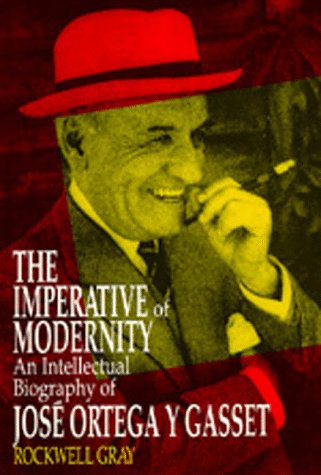
Download The Imperative of Modernity: An Intellectual Biography of José Ortega y GassetBy Rockwell Gray

Download The Imperative of Modernity: An Intellectual Biography of José Ortega y GassetBy Rockwell Gray

Do you feel better after ending up a book to read? Exactly what's your feeling when obtaining a new book again? Are you tested to check out as well as end up t? Good reader! This is the time to conquer your goo behavior of reading. We reveal a far better publication again to take pleasure in. Visiting this site will be additionally filled with willingness to read? It will certainly not make you feel bored because we have various types and also sort of the books.

The Imperative of Modernity: An Intellectual Biography of José Ortega y GassetBy Rockwell Gray

The Imperative of Modernity: An Intellectual Biography of José Ortega y GassetBy Rockwell Gray


The Imperative of Modernity: An Intellectual Biography of José Ortega y GassetBy Rockwell Gray


Download The Imperative of Modernity: An Intellectual Biography of José Ortega y GassetBy Rockwell Gray

Do you feel better after completing a book to check out? Exactly what's your feeling when obtaining a new book again? Are you challenged to check out as well as finish t? Excellent visitor! This is the moment to conquer your goo practice of analysis. We reveal a far better publication again to enjoy. Visiting this website will be also loaded with readiness to check out? It will certainly not make you feel bored due to the fact that we have numerous types and kinds of the books.

Not just from the country, have individuals around the world liked this publication so much. They are the great people, people that constantly have readiness and also spirit to review and enhance their skill and understanding. Will you be one of the? Definitely, when you are relay interested in, you can be one of the wonderful people. This The Imperative Of Modernity: An Intellectual Biography Of José Ortega Y GassetBy Rockwell Gray exists to attract you since it is so simple to recognize. Yet, the significance is so deep. You can seem like facing and also acting on your own.

Besides, this book is likewise composed by among one of the most popular writer in the nation. So, when you admire the writer so much, it will complete the collections of the compositions. However, when you are not really follower of the writer, you can still love The Imperative Of Modernity: An Intellectual Biography Of José Ortega Y GassetBy Rockwell Gray due to the fact that you will certainly recognize exactly how the writer tells the content to the viewers as well as culture. You could make deal with this book as one of referred information making you really feel admired a lot with this book.

From the explanation over, it is clear that you should review this book The Imperative Of Modernity: An Intellectual Biography Of José Ortega Y GassetBy Rockwell Gray We provide the online e-book qualified The Imperative Of Modernity: An Intellectual Biography Of José Ortega Y GassetBy Rockwell Gray right below by clicking the web link download. From discussed publication by online, you can offer much more perks for many individuals. Besides, the visitors will certainly be additionally effortlessly to obtain the favourite e-book The Imperative Of Modernity: An Intellectual Biography Of José Ortega Y GassetBy Rockwell Gray to review. Discover one of the most preferred as well as needed publication The Imperative Of Modernity: An Intellectual Biography Of José Ortega Y GassetBy Rockwell Gray to review now and right here.

The Imperative of Modernity: An Intellectual Biography of José Ortega y GassetBy Rockwell Gray

In this biography, Rockwell Gray offers a compelling portrait of one of the greatest Spanish writers and philosophers of the twentieth century. José Ortega y Gasset was a driving force at the center of an extraordinary flowering of literary and artistic talent in Madrid during the 1920s and 1930s. Author of The Revolt of the Masses, The Dehumanization of Art, Man and Crisis, The Origin of Philosophy, and numerous other well-known books, Ortega articulated more clearly than any other Spanish writer what Gray has called "the imperative of modernity," the need to open the doors of his native culture to currents of thought, art, and scholarship from abroad. That Ortega should still stand as the preeminent intellectual leader of modern Spain even after his exile from the country following the Spanish Civil War testifies to the importance and continuing influence of his writings. Incisive, witty, and often lyrical in tone, they constitute a unique contribution to modern philosophy and a complex reflection on a crucial half century in Spanish and European history. This comprehensive intellectual biography, the first in English, brings us a new understanding of one of the most celebrated figures in Spanish cultural life, a thinker whose work is inseparable from the main currents of modern European intellectual and cultural history.

  • Amazon Sales Rank: #2341686 in Books
  • Brand: University of California Press
  • Published on: 1989-03-15
  • Ingredients: Example Ingredients
  • Original language: English
  • Number of items: 1
  • Dimensions: 9.50" h x 6.50" w x 1.25" l,
  • Binding: Hardcover
  • 437 pages
Features
  • Used Book in Good Condition

From Library Journal This study subsumes into a biographical framework the Germanophile writings, republican politics, and intellectual influence of Spain's major contributor to 20th-century philosophy, surpassing both in scope and perspective Franz Niedermayer's diminutive Jose Ortega y Gasset (1973) and even Jose Ferrater Mora's groundbreaking Ortega y Gasset: An Outline of His Philosophy (1956). Yet it falls somewhere between intimidating novices with polysyllabic explications and beguiling scholars with comprehensiveness while disappointing them with the lack of attention paid to individual works. Despite lapses into flowery rhetoric, especially in the opening segments, and a failure to deal with all of Ortega's prolific output, Gray nonetheless reaffirms Ortega's role in world letters.- Lawrence Olszewski, OCLC, Dublin, OhioCopyright 1989 Reed Business Information, Inc.

From the Inside Flap "Gray's full portrait of the witty and wise metaphysician and cultural critic who wore vast learning so lightly and conveyed deep thoughts so nimbly . . . is certainly the best general work on Ortega to date and ranks with the two or three dozen leading monographs in English on twentieth-century thinkers." --Rudolph Binion, Brandeis University

About the Author Rockwell Gray received his doctorate from the Committee on Social Thought at the University of Chicago. He is currently chairman of the Department of English at The Kiski School in Saltsburg, Pennsylvania, and has published a translation of Yolando Pino Saavedra's Folktales of Chile and many reviews and articles on modern culture and literature.

The Imperative of Modernity: An Intellectual Biography of José Ortega y GassetBy Rockwell Gray PDF
The Imperative of Modernity: An Intellectual Biography of José Ortega y GassetBy Rockwell Gray EPub
The Imperative of Modernity: An Intellectual Biography of José Ortega y GassetBy Rockwell Gray Doc
The Imperative of Modernity: An Intellectual Biography of José Ortega y GassetBy Rockwell Gray iBooks
The Imperative of Modernity: An Intellectual Biography of José Ortega y GassetBy Rockwell Gray rtf
The Imperative of Modernity: An Intellectual Biography of José Ortega y GassetBy Rockwell Gray Mobipocket
The Imperative of Modernity: An Intellectual Biography of José Ortega y GassetBy Rockwell Gray Kindle

The Imperative of Modernity: An Intellectual Biography of José Ortega y GassetBy Rockwell Gray PDF

The Imperative of Modernity: An Intellectual Biography of José Ortega y GassetBy Rockwell Gray PDF

The Imperative of Modernity: An Intellectual Biography of José Ortega y GassetBy Rockwell Gray PDF

Selasa, 12 Maret 2013

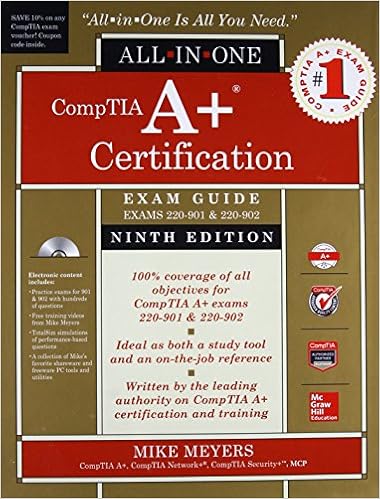
Ebook Free CompTIA A+ Certification All-in-One Exam Guide, Ninth Edition (Exams 220-901 & 220-902)

Ebook Free CompTIA A+ Certification All-in-One Exam Guide, Ninth Edition (Exams 220-901 & 220-902)

We understand that you are likewise follower of the writer of this publication. So, it will not be worse for you to select it as recommendation. CompTIA A+ Certification All-in-One Exam Guide, Ninth Edition (Exams 220-901 & 220-902), as one of the important publications to check out can be thought about as a publication that offers you something recommended. You could take the comparable topic from other publication, but the one that can give you far better perception is this book. This problem will actually influence you to serve the dependable choice.

CompTIA A+ Certification All-in-One Exam Guide, Ninth Edition (Exams 220-901 & 220-902)

CompTIA A+ Certification All-in-One Exam Guide, Ninth Edition (Exams 220-901 & 220-902)


CompTIA A+ Certification All-in-One Exam Guide, Ninth Edition (Exams 220-901 & 220-902)


Ebook Free CompTIA A+ Certification All-in-One Exam Guide, Ninth Edition (Exams 220-901 & 220-902)

We think that you will be interested to check out CompTIA A+ Certification All-in-One Exam Guide, Ninth Edition (Exams 220-901 & 220-902) currently. This is a new coming publication from an extremely renowned writer in this world. No challenging policy, no difficult words, as well as no difficult sources. This book will appertain enough for you. This analysis product tends to be a daily reading design. So, you could read it based upon your demands. Reading throughout completed could offer you the huge outcome. As what other people do, several that reviewed a publication by finish can obtain the advantage totally.

But here, we will not allow you to run out of the book. Every publication is conceptualized in soft file layout. With very same issues, the people that run out guides in the store will certainly choose to this site as well as obtain the soft file of guide. For example is this CompTIA A+ Certification All-in-One Exam Guide, Ninth Edition (Exams 220-901 & 220-902) As a new coming book that has fantastic name in this globe, you could feel difficult to obtain it as yours. Therefore, we likewise give its soft documents here.

Asking why? You have seen that this site contains fantastic books from variant publishes a collections in the world. Getting a minimal edition book is additionally simple below. You can find CompTIA A+ Certification All-in-One Exam Guide, Ninth Edition (Exams 220-901 & 220-902), as example to be your turn and also your option now. Because, we will not hide anything concerning it right here. We provide you all the most effective from CompTIA A+ Certification All-in-One Exam Guide, Ninth Edition (Exams 220-901 & 220-902) that the author created especially for you.

Obviously, CompTIA A+ Certification All-in-One Exam Guide, Ninth Edition (Exams 220-901 & 220-902) ends up being also a good reason of you to spend your free time for analysis. It is various with various other publication that may require ore times to check out. If you have actually been falling for this publication, you could specifically get it as one of the analysis products as well as good friends to accompany spending the moment. Then, you could additionally get it as other terrific individuals discover and read this book. From this situation, it is so clear that this book is really had to acquire as the referred publication since it appears to be boosting publication.

CompTIA A+ Certification All-in-One Exam Guide, Ninth Edition (Exams 220-901 & 220-902)

About the Author

Michael Meyers, A+, Network+ (Houston, TX) is the industry’s leading authority on A+ certification. He is the president and founder of Total Seminars, LLC, a major provider of PC and network repair seminars for organizations and government agencies throughout the world, including the FBI, FAA, and the United Nations. He is author of Mike Meyers’ A+ Guide to Managing and Troubleshooting PCs and Mike Meyers’ Network+ Guide to Managing and Troubleshooting Networks.

Read more

Product details

Series: All-in-One

Hardcover: 1473 pages

Publisher: McGraw-Hill Education; 9 edition (January 4, 2016)

Language: English

ISBN-10: 125958951X

ISBN-13: 978-1259589515

Product Dimensions:

7.5 x 2.4 x 9.3 inches

Shipping Weight: 5.2 pounds (View shipping rates and policies)

Average Customer Review:

4.5 out of 5 stars

651 customer reviews

Amazon Best Sellers Rank:

#2,618 in Books (See Top 100 in Books)

So having just passed both the 220-901 and 220-902 exams today I feel I should write a review of this textbook as study material. My background is currently an Bachelors in IT from a fully online institution with no real industry experience. When i say no real industry experience i mean that i do not work within the IT industry nor have i ever. IT has always been an interest of mine since i was a child yet never went deep into learning much of what this textbook covers. My method of study i chose to read this textbook cover to cover, taking all practice tests at the end of each chapter, along with the included practice exams on the disc. In addition to this text i went further to find online practice exams and Professor Messer videos on Youtube as free self studying material. This textbook, as stated, works perfect for self studying in passing the exam and would make a great reference for any IT support technician toolkit as the on-the-job reference. The material covered everything included within the stated objectives CompTIA provides on their website. The practice tests at the end of each chapter included 10 questions with answer keys. The disc included helped me very little. I took maybe one practice test for each exam and that was all that was included within the disc. Some videos were included but no where near helpful as Professor Messers videos. The book covered the objectives and even went beyond which is why this makes a great on-the-job reference. I was able to finish reading cover to cover within a month. I then crammed the 901 objectives ( which were highlighted throughout the book by the author ) then sat for the exam. A week later i sat for the 902 and within that week crammed all the 902 objectives ( which were also highlighted throughout the book ). Good luck!

Excellent exam guide. I passed the 901 and I'm going to schedule the 902 once my summer schedule settles down. This book is the only resource I used to pass the 901 and I only did a single pass through the book. If you have some experience building your own PC's, tinkering with tech, or anything else similar, this book is likely the only companion resource you need for the exam. Although I did run through the entire book before taking the 901 exam, I would recommend splitting the content where it makes sense between 901 and 902. Prep for the 901, take the 901 exam, and then repeat for the 902. Otherwise, it's a lot of material to digest if you aren't familiar with a big chunk of the concepts already.

As a preface, I have passed the 901, currently preparing for the 902. I used this book for both. This book would be ok if it was better organized, relative to the CompTIA exam objectives. As it is, I have found trying to use this to prepare for either the 901 or 902 exam an exercise in frustration. CompTIA has so clearly organized and clarified the exam objectives by topic, subtopic, etc. But, for whatever reason the author chose to use his own ideas for organizing the material, which does not correlate with CompTIA’s layout. In order to follow the objectives laid out by CompTIA using this book, you have to go thru many different chapters all over the book (28 chapters, over 1200 pages), to find the material within one subtopic, such as the listings for objective 3.3 for the 220-902, finding one piece here, then flipping thru pages or maybe to a chapter hundreds of pages away to find the next listing, etc. Even though the 901 and 902 are two separate exams, the material for both may be contained within the same chapter. There is a mapping to the objectives given in the back of the book, but that doesn’t help much because it’s given by chapter not page so you have to basically read the whole chapter to get dig out the material for one objective. Unless you are prepared to read the whole book from back to front or are prepared to spend a lot of time flipping all over the place I would not recommend this as your only resource for preparing for either exam. It works better as a reference book. But, I also have issues with the index. I have difficulty finding key terms there, even those explicitly given in the CompTIA objectives. So, I wouldn’t recommend it for a quick reference either. Most of the time, I have to resort to the internet to find the information I’m looking for. It may be in the book, but it’s difficult to find, time consuming and frustrating. That just doesn’t make any sense to me, for a book this size. I am a firm believer that the best way to prepare for the exams is to follow the exam objectives as laid out by CompTIA. I believe all the objectives are covered here somewhere but the layout of this book makes finding them too difficult. The screen shots are helpful and overall it is comprehensive. But, it is not well organized for exam preparation.

this is the only comptia a+ book i would recommend. the author does not drift off to complicated things when starting to learn the basics. author also has a sense of humor. there are limited but good external resources that comes with the book. if you want more, you have to pay additional fees online to access all of them. comes with CD which I mainly use as a soft PDF copy of the book. the test bank that is included is very limited. over all, I am happy with the purchase.

CompTIA A+ Certification All-in-One Exam Guide, Ninth Edition (Exams 220-901 & 220-902) PDF
CompTIA A+ Certification All-in-One Exam Guide, Ninth Edition (Exams 220-901 & 220-902) EPub
CompTIA A+ Certification All-in-One Exam Guide, Ninth Edition (Exams 220-901 & 220-902) Doc
CompTIA A+ Certification All-in-One Exam Guide, Ninth Edition (Exams 220-901 & 220-902) iBooks
CompTIA A+ Certification All-in-One Exam Guide, Ninth Edition (Exams 220-901 & 220-902) rtf
CompTIA A+ Certification All-in-One Exam Guide, Ninth Edition (Exams 220-901 & 220-902) Mobipocket
CompTIA A+ Certification All-in-One Exam Guide, Ninth Edition (Exams 220-901 & 220-902) Kindle

CompTIA A+ Certification All-in-One Exam Guide, Ninth Edition (Exams 220-901 & 220-902) PDF

CompTIA A+ Certification All-in-One Exam Guide, Ninth Edition (Exams 220-901 & 220-902) PDF

CompTIA A+ Certification All-in-One Exam Guide, Ninth Edition (Exams 220-901 & 220-902) PDF